






Contactos |
|
Tel.: +351 291 961 858/9 |
|
|


 |
|
CONHEÇA AS PROPOSTAS EDUCATIVAS PARA O ANO LETIVO 2025-2026 |
Virtual TourCome and Meet us! |

R.A.C.A.M. |
|
Madeira cetacean stranding network |

HOME
The project will monitor the evolution of selected target species that are representative of different parts of the ecosystem and that act as umbrella species, meaning they reflect the current state of the ecosystems they represent, including their abundance. These species have been monitored over the past two decades by the Madeira Whale Museum, but the most recent sampling period dates from 2017–2018. It is therefore important to continue the sampling effort in order to maintain regular monitoring at sea of one of the key components of Descriptor 1 of the MSFD (Biodiversity).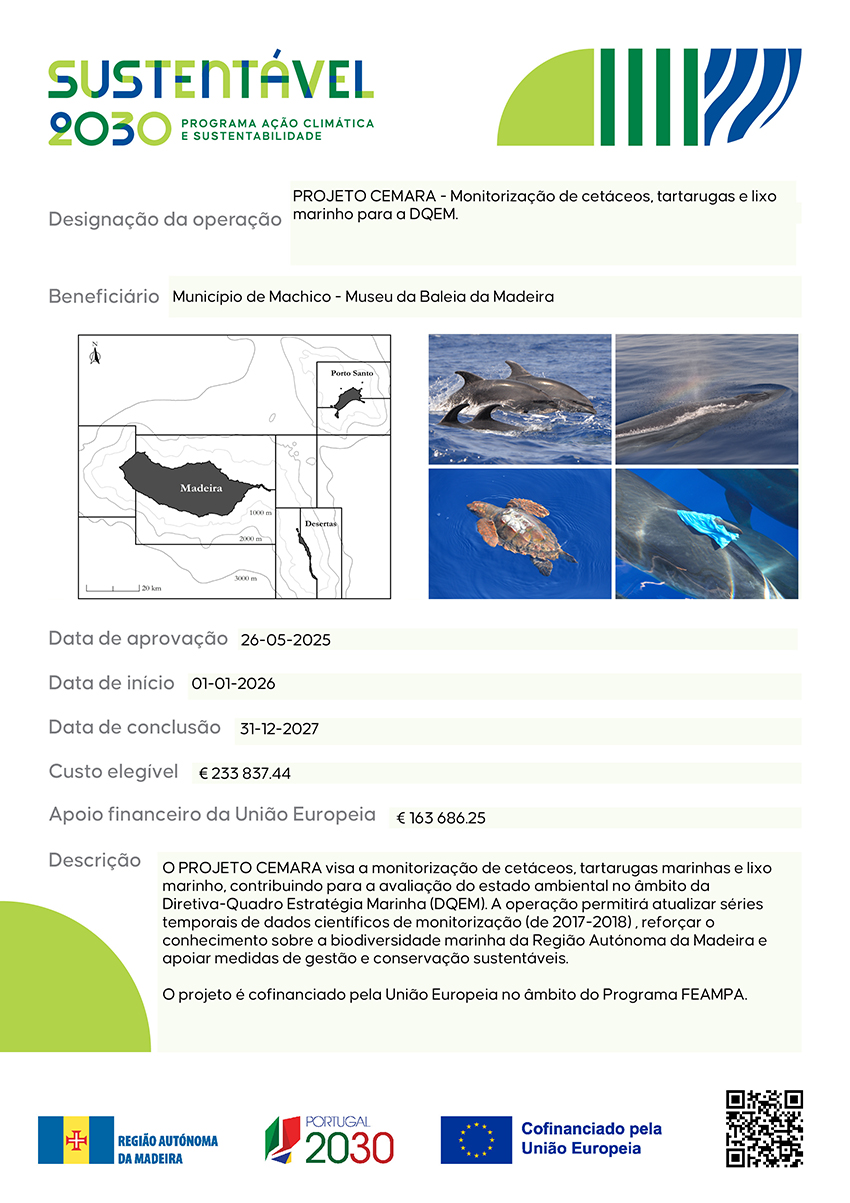
NEWS
Search the webpage online: https://www.facebook.com/museu.baleia.madeiraPROJECT SUMMARY
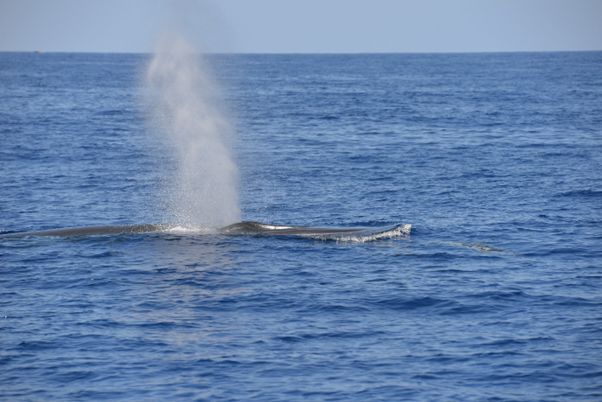
The SIC Cetáceos da Madeira area, which was designated in 2018 under the EU Habitats Directive as part of the Natura 2000 network, is required to report on several criteria similar to those of the MSFD (e.g. trends in abundance, changes in distribution and population parameters, and anthropogenic impacts such as floating marine macro-litter). The area covered by the monitoring campaigns will encompass the entire Madeira Cetaceans SCI. Therefore, the results obtained through this project will serve multiple objectives and be of interest to the competent authorities responsible for reporting to the EU.
Information on the abundance and distribution of floating marine macro-litter will be crucial to better understand the ecosystem’s exposure to this threat, particularly given that many cetacean and turtle species are known to ingest or become entangled in a wide variety of marine debris, which has caused the death of some individuals in Macaronesia.
PROJECT FACT SHEET
CODE
MAR-016.9.1-FEAMPA-00016
TITLE
Monitoring of cetaceans, turtles, and marine litter for the MSFD
MAIN OBJECTIVE
Implementation of “Distance Sampling” survey campaigns (“oceanic habitat”) and biological sampling of loggerhead turtles in the waters of the Madeira Archipelago, for data collection and subsequent analysis to estimate the abundance and distribution of cetaceans, marine reptiles, and floating marine litter, as well as the body condition of loggerhead turtles. These activities will contribute to monitoring programmes on the abundance and demography of cetaceans and marine reptiles and to the monitoring of marine macro-litter at the sea surface, within the framework of the Marine Strategy Framework Directive (MSFD).
TOTAL COST
€ 233 837.44
PARTNER COST
€ 233 837.44
ELIGIBLE COST
€ 233 837.44
CO-FINANCING
70% by the European Maritime, Fisheries and Aquaculture Fund (EMFAF)

SPECIFIC OBJECTIVES AND JUSTIFICATION
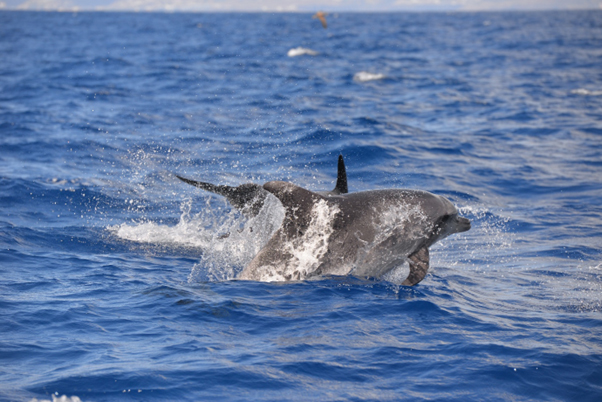
Specific Objectives
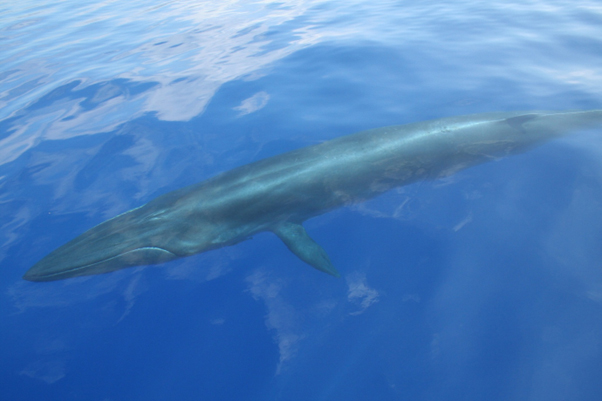
O.1.1. Offshore survey campaigns for data collection to ensure continuity of the time series (2007–2012 and 2017–2018) for monitoring the abundance and distribution (criteria: D1C2 – population abundance; D1C4 – distribution) of cetacean species management units defined by the Mistic Seas project (common bottlenose dolphin Tursiops truncatus, Atlantic spotted dolphin Stenella frontalis, common dolphin Delphinus delphis, short-finned pilot whale Globicephala macrorhynchus, and Bryde’s whale Balaenoptera edeni), using in situ sampling and the approach/methodology defined in the monitoring programme PT-AMA-MO-D1-MM-ST for oceanic habitats (DGRM, 2021);
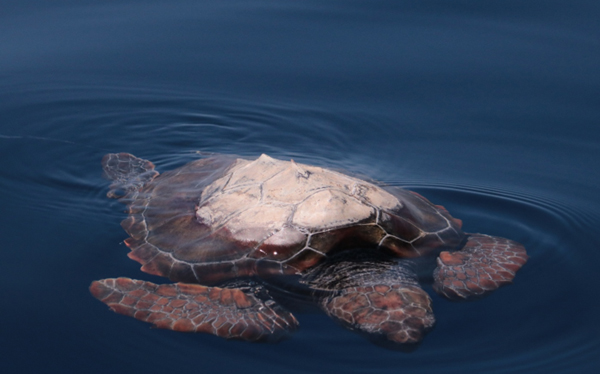
O.1.2. Offshore survey campaigns for data collection to ensure continuity of the time series (2001–2002; 2007–2009; 2010–2012; 2017–2018) for monitoring the abundance and distribution (criteria: D1C2 – population abundance; D1C4 – distribution) of the loggerhead turtle (Caretta caretta) management unit defined by the Mistic Seas project, using in situ sampling and the approach and methodology defined in the monitoring programme PT-AMA-MO-D1-MM-ST for oceanic habitats (DGRM, 2021);
O.1.3. Offshore survey campaigns to ensure continuity of the time series (2001–2002; 2007–2009; 2010–2012; 2017–2018) for monitoring the abundance and distribution of marine macro-litter at the sea surface (criterion D10C1 – composition, amount, and spatial distribution), using in situ sampling and the “distance sampling” approach and methodology, in line with the monitoring programme PT-AMA-MO-D10-MACROWC;
O.2. Coastal marine survey campaigns for biological sampling of loggerhead turtles to obtain data on animal size and weight in order to estimate the Body Condition Index (BCI) (criterion: D1C3 – demographic characteristics), and for the collection of genetic samples, using in situ sampling and the approach/methodology defined in the monitoring programme PT-AMA-MO-D1-MM-ST for coastal habitats (DGRM, 2021).
O.3. Data analysis and preparation of a report with the results, relevant for the assessment of Environmental Status (Descriptors D1 and D10) of the marine environment in the 4th assessment cycle of the MSFD.RATIONALE / PROJECT JUSTIFICATION
Within the framework of reducing negative impacts and/or contributing to positive impacts on the marine environment and to Good Environmental Status, this project promotes actions to track the evolution of the marine environment’s Good Environmental Status through the collection of data and information that allow the assessment of the impacts of anthropogenic pressures and of the measures adopted.ACTIONS
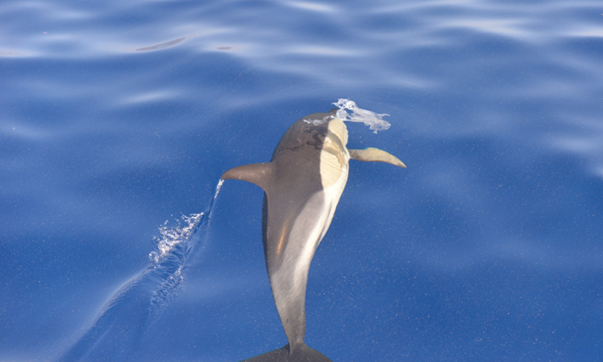
A1 – Preparation of sampling campaigns
A.1.1. The preparation of the sampling campaigns includes the acquisition of equipment, contracting of services (e.g. vessel charter for sampling activities), recruitment of human resources, preparation of field protocols, and training of observers.
A2 – Implementation of sampling campaigns
A.2.1. It is planned to carry out between 40 and 48 days of offshore and coastal survey campaigns to cover the waters surrounding the Madeira Archipelago (4 to 6 days per quarter) over a two-year period, in order to collect all the data required to meet the project objectives. These campaigns will cover all sectors sampled in previous surveys (2001–2002; 2007–2009; 2010–2012; 2017–2018), ensuring the comparability of results. A minimum of five experienced observers will be required for the survey campaigns, and they will be involved in campaign preparation, fieldwork implementation, and data organisation and processing. In addition to the survey campaigns, regular observer training sessions will be conducted to ensure higher-quality and more reliable data.
A.2.2. The collection of loggerhead turtle samples will be carried out in combination with survey campaigns conducted under the MARVEL project, scheduled to take place between 2025 and 2027. Therefore, under this application, only human resources (one technician) to participate in the project’s sea surveys for turtle collection and sampling are considered. No costs related to vessel operation or sampling equipment required during the MARVEL project campaigns are included. It is planned to sample between 8 and 12 individuals during the campaigns.
A3 – Data processing, analysis, and reporting
A.3.1. Data collected each quarter will be organised, processed, and validated during the same quarter or the following one, in order to ensure that an initial data analysis is carried out within the final two months of the project’s duration.EXPECTED RESULTS
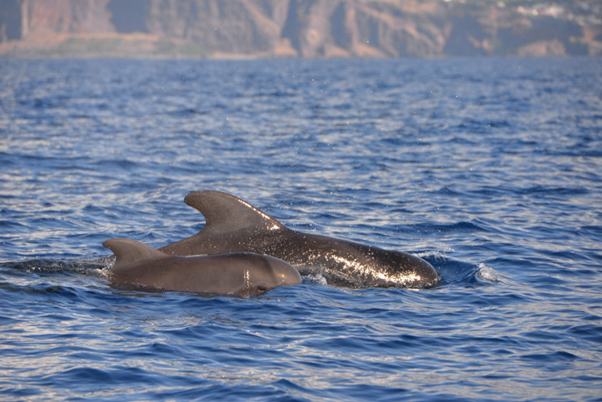
RE.1.1. Estimates of abundance and distribution of the project’s target species.
RE.1.2. Assessment of the Environmental Status of functional groups (cetaceans and loggerhead turtles).
RE.1.3. Composition and trends in the abundance of floating marine macro-litter.
Projeto MPA4Sustainability
NEWS
Search the webpage online: https://www.facebook.com/museu.baleia.madeiraABSTRACT
The MPA4Sustainability project aims primarily to assess how existing Marine Protected Areas (MPAs) can be used not only to achieve biodiversity targets but also to maximize their contribution to the blue economy, while respecting Nature. Currently, there are over 17,000 MPAs worldwide, covering approximately 9% of the oceans, yet only a small proportion have clear management plans or effectiveness evaluations. This project seeks to address this gap by conceptualizing MPAs as interventions within complex socio-ecological systems and evaluating how they influence their trajectories toward sustainability.HOME
PROJECT SUMMARY
Marine Protected Areas (MPAs) will play a crucial role in the successful implementation of the European Biodiversity Strategy and the European Green Deal. While significant attention has been given to the best approaches for designing and establishing MPAs, less than a quarter have clear management plans. Managing complex socio-ecological systems (SES) is challenging and steering them toward sustainability is even more so. This is particularly true for MPAs, where biodiversity objectives and the exploitation of regional ecosystem services must be balanced. There is an urgent need to focus on practical and efficient ways to manage and monitor MPAs to ensure benefits for both nature and people.
This project seeks to provide practical solutions to guide MPA managers toward the most effective approaches for delivering positive biodiversity outcomes while maintaining the capacity of coastal communities to sustainably utilize marine ecosystem services. MPA managers from Madeira, France, Denmark, and Sweden, together with scientists, will co-create the necessary vision to develop this guidance, based on a global synthesis of MPA data and detailed functional analyses across three case study sites.
PROJECT SHEET
https://doi.org/10.54499/DivRestore/0011/2020
CODE
TITLE
Enhancing MPAs’ role in restoring biodiversity while maintaining access to ecosystem services
MAIN OBJECTIVE
Assess how existing MPAs can be used not only to achieve biodiversity targets but also to maximize their contributions to the blue economy, respecting Nature.
TOTAL COST
€ 1 337 770.00
PARTNER COST
€ 89 943.30
ELIGIBLE COST
€ 89 943.30
PARTNERS
- Technical University of Denmark, Kgs. Lyngby, Denmark
- EPHE/CNRS/Perpignan University, Perpignan, France
- Spanish National Research Council, Barcelona, Spain
- Mathematical Research Center, Cerdanyola del Valles, Spain
- Swedish University of Agricultural Sciences, Lysekil, Sweden
- Instituto de Florestas e Conservação da Natureza (IFCN), Madeira, Portugal
FINANCING
100% Financed by the European Program Biodiversa+ through “Fundação para a Ciência e Tecnologia” (FCT)

PROJECT WEBPAGE
https://www.biodiversa.eu/2022/10/25/mpa4sustainability/
https://mpa4sustainability.github.ioSPECIFIC OBJECTIVES AND JUSTIFICATION
Specific Objectives
PROJECT RATIONALE
T.01.1 MPA ES and biodiversity mapping.
T.01.2 MPA governance and management mapping.
T.02.3 SES dynamics sensitivity analysis.
T.03.1 Estimation of biodiversity indicator robustness.
T.03.2 Validation of remotely sensed indicators of ecosystem services.
T.03.3 Beta-testing of citizen monitoring.
T.04.2 Develop integrative management guidelines.
T.04.3 Feed-in regulatory process of case studies.
Currently, there are more than 17,000 marine protected areas (MPAs) around the world covering close to 9% of the oceans. Yet only 23% of them have a clear management plan and only about 1% of them have had management effectiveness evaluations. Such management plans are crucial for the success of MPAs, but the development and implementation of those plans often meet financial and infrastructure obstacles. Even if guidelines exist, they do not systematically explain how to measure, monitor, and manage trade-offs between biodiversity targets and socio-economic impacts of MPAs. Particularly, there are currently no guidelines for developing adaptive plans to ensure the transformative change that MPAs are to bring for ecosystem restoration and conservation, biodiversity improvement, and to meet UN SDG targets. This is the key gap mpa4sustainability will address by conceptualising MPAs as interventions on complex socio-ecological systems and trying to appraise how they affect their journeys towards sustainability.ACTIONS
1. Linking MPA-Driven Biodiversity Changes to Ecosystem Service Exploitation
Estimate how changes in biodiversity associated with MPA establishment, and embedding in existing spatial management, and management are related to ecosystem service (ES) exploitations. We will use a retrospective approach to estimate how biodiversity indicators are associated with ES exploitation richness, yield and resilience in existing MPAs depending on their characteristics and objectives.
2. Modeling Socio-Ecological Dynamics and Tipping Points in Marine Protected Areas
Estimate the dynamics of these socioecological networks of biodiversity and ES exploitation, the variety of states they can occupy, and the detection of possible cases of socio-ecological systems close to tipping points, using prospective analytical and computational approaches. We will particularly focus on estimating the role of MPA management actions and human pressure in driving those changes.
3. Evaluating Indicators for Adaptive Monitoring and Management of MPAs
Assess whether readily available indicators can be used to monitor progress and adjust management of MPAs to ensure sustainability and the achievement of biodiversity targets.
4. The Added Value of MPA Networks: Policy Analysis for Regional Biodiversity and Ecosystem Service Goals
Carry out policy analyses to evaluate how networks of MPAs, that can come from varied regulatory frameworks, can have added value for regional biodiversity and ES targets.EXPECTED RESULTS
1. Improvement of our understanding of how coupled human-nature marine systems function and how they can be exploited sustainably, monitored, and managed efficiently.
2. The Decision Support System (DSS) will be a user-friendly simulation platform. Consisting of guidelines, this tool will support the development of integrative MPA management plans by helping identify socioecological trade-offs, define appropriate management actions, design monitoring programmes, and explore synergies among adjacent MPAs. the development of integrative MPA management plans by helping identify socioecological trade-offs, define appropriate management actions, design monitoring programmes, and explore synergies among adjacent MPAs.
3. MPA4Sustainability will generate direct impacts in three case studies: by identifying the best area-management approach for Øresund, improving the SCI “Cetáceos Madeira” management plan and integrating it with other MPAs in Madeira, and aligning the management plan of the Marine Park with the Cerbère-Banyuls Reserve to enhance their combined socioecological value.

NEWS
Search for news online:: https://www.facebook.com/museu.baleia.madeiraABSTRACT
HOPE is a conservation project that aims to safeguard Macaronesia’s marine biodiversity by transforming the region into a thriving marine refuge. Focused on awareness, scientific research, and responsible wildlife observation, the project engages local communities in the protection of marine biodiversity. By integrating new technologies, HOPE promotes the blue economy and enhances collaboration between the private sector and public institutions — working together to create a true marine oasis in the Atlantic.HOME
PROJECT SUMMARY
The HOPE project aims to be a ray of hope in the ongoing efforts of experts, scientists, and institutions to conserve and protect the marine natural heritage within the MAC region.
At the heart of the project lies the acknowledgment of Macaronesia as a sanctuary for marine species, designed to promote public awareness, scientific research, and the responsible observation of marine wildlife inhabiting the region’s waters. At the same time, HOPE seeks to foster transnational exchange of experiences and cooperation in developing effective structures for the conservation and protection of marine biodiversity.
By embracing new technologies, HOPE will promote the blue economy and encourage the rise of a new generation of citizens aware of the immense living wealth of their coasts. The project will work in synergy with the private and tourism sectors, as well as with public institutions, ensuring that all links in the socioeconomic chain contribute to making the MAC region a true marine oasis.
PROJECT FACT SHEET
CODE
1/MAC/2/2.7/0132
TITLE
Marine and Cetacean Species Sanctuary in MAC Space: HOPE
MAIN OBJECTIVE
The project aims to strengthen collaboration among Macaronesian regions by promoting shared conservation practices and mutual support. It facilitates access to scientific tools, encourages the exchange of knowledge, and fosters cooperation with areas that have fewer resources, helping to ensure that all regions can take an active role in preserving their marine ecosystems.
TOTAL COST
€ 1 611 467.55
PARTNER COST
€ 240 000.00
ELIGIBLE COST
€ 240 000.00
PARTNERS
- Innoceana, Canarias;
- Ayuntamiento de Guía de Isora, Canarias;
- Associação Comercial e Industrial do Funchal - Câmara de Comércio e Indústria da Madeira, Madeira;
- Observatório do Mar dos Açores, Azores;
- Secretaria Regional da Educação e dos Assuntos Culturais Direção Regional dos Assuntos Culturais, Azores;
- Município de Machico, Madeira;
- Direcção Geral do Ambiente e Acção Climática, Santo Tomé y Príncipe;
- Direction des Parcs Nationaux, Senegal;
- Aire Marine Protégée Saint-Louis, Senegal;
- Oficina Subregional para África Occidental del Programa de Naciones Unidas para el Medio Ambiente (PNUMA), Costa de Marfil;
- Environmental Protection Agency, Ghana;
- Cabo Verde Natura 2000, Cabo Verde;
- Bios.CV, Cabo Verde.
CO-FINANCING
85% by the European Program INTERREG MAC 2021-2027

PROJECT WEBPAGE
SPECIFIC OBJECTIVES AND JUSTIFICATION
Specific Objectives
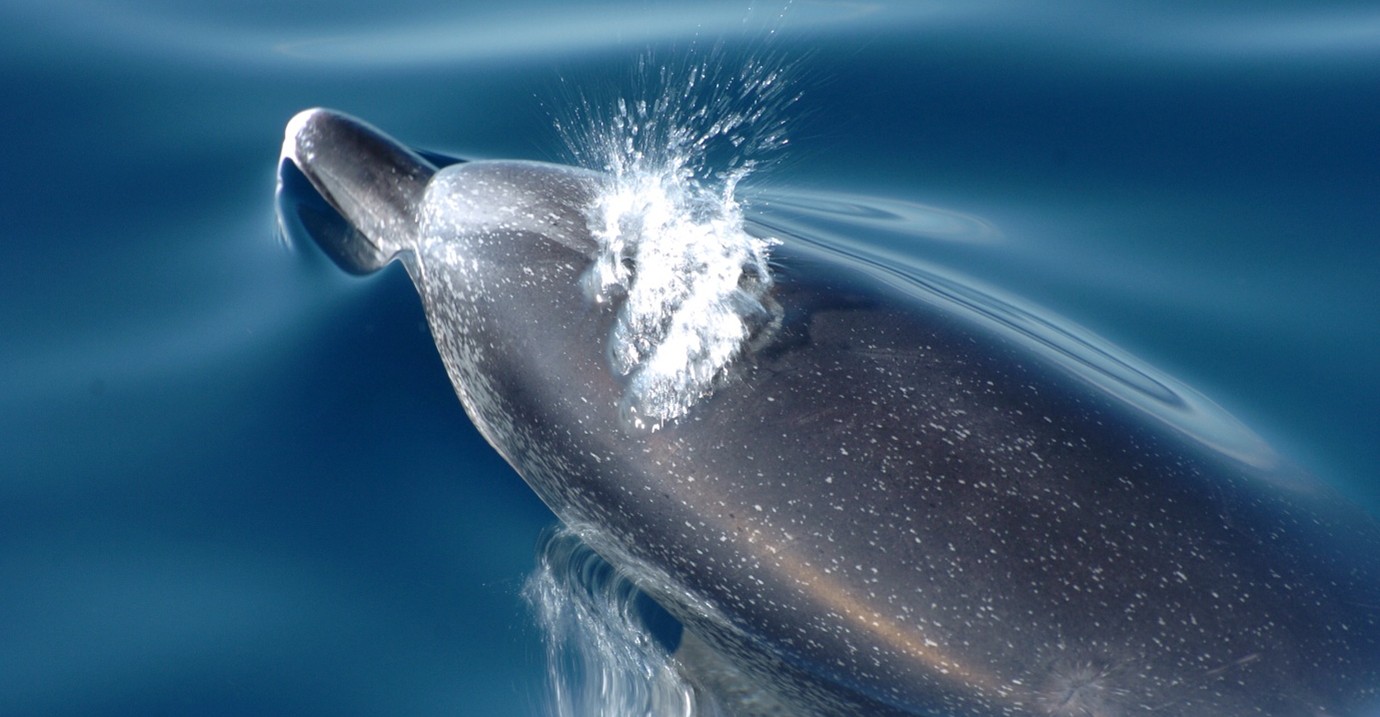
O.1. Establish the conditions for the waters of the MAC area to become a sanctuary and a refuge for marine species, with the purpose of preserving and protecting the region's marine biodiversity.
O.2. Raise awareness in local community on marine wealth and its conservation, as well as facilitate scientific research related to marine fauna in the MAC area.
O.3. Develop a sustainable tourism industry in the region by promoting collaboration between the private sector, tourism, and public institutions, raising awareness about poor and harmful practices, and fostering closer cooperation among all partners.
Rationale / Project Justification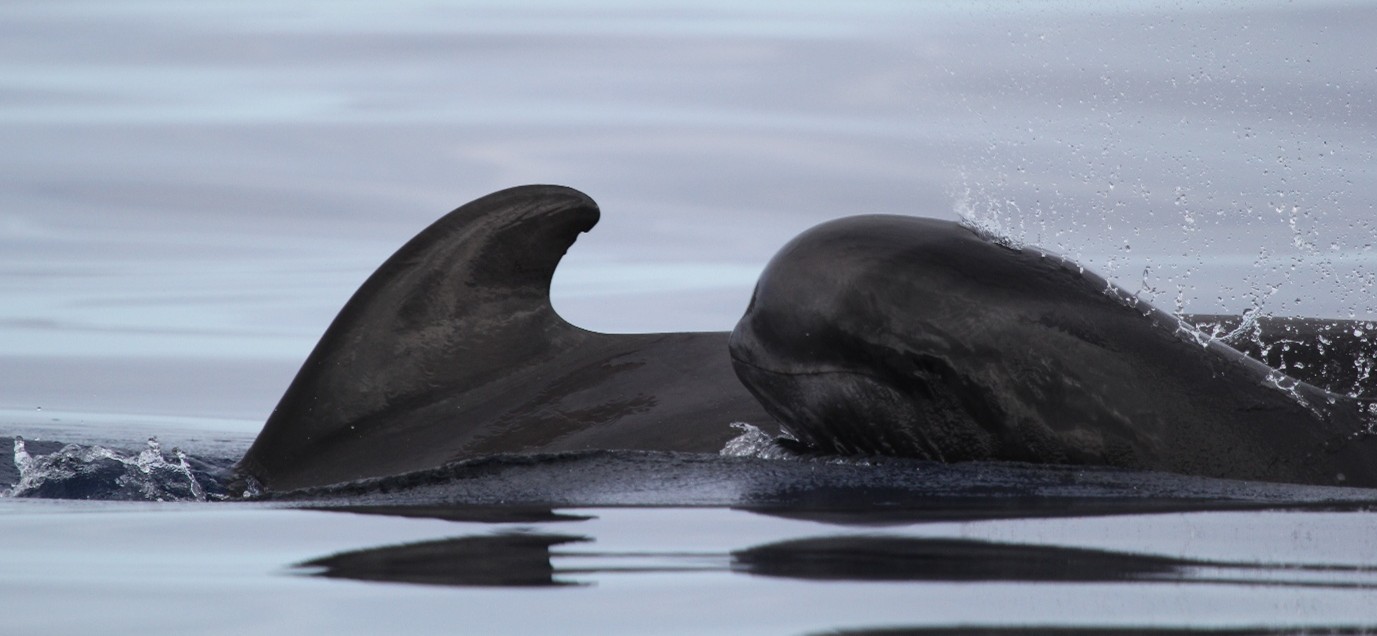
In the southwest of Tenerife, within the Teno-Rasca Special Area of Conservation, a natural sanctuary where marine life thrives in its wildest and most authentic form, HOPE suffered a devastating accident when her tail fin was severed by a boat propeller. She was found floating at the surface, unable to swim and emitting heartbreaking cries of pain. Even more moving was the presence of her family, who stayed by her side, refusing to leave her. With no possible recovery, HOPE’s case led to the first euthanasia ever carried out on a wild cetacean—a difficult but necessary decision to prevent further suffering and agony. This heartbreaking event marked a turning point. Her story became the catalyst for the HOPE Project, created in her memory and as a lasting commitment to drive meaningful change in how we interact with marine life. Our mission focuses on research, education, and the implementation of sustainable and respectful practices that ensure the survival and well-being of ocean species.ACTIONS
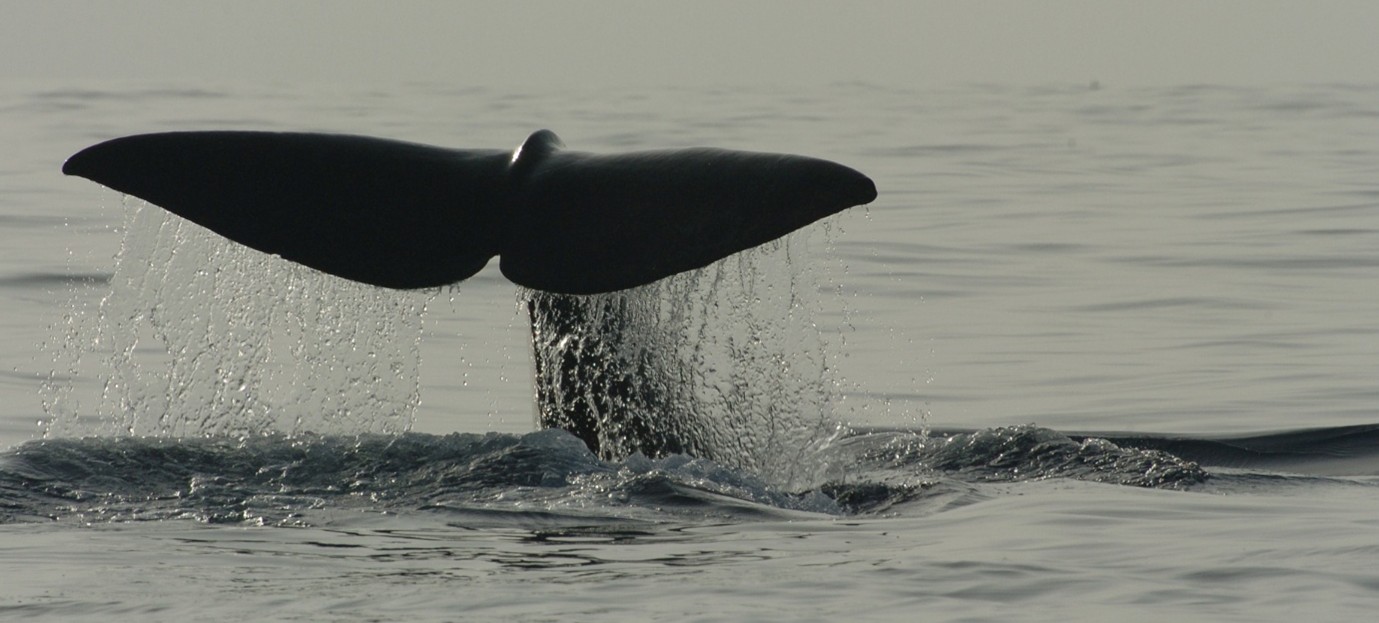
Marine Species Sanctuary
A1.1. Establishment of Marine Interpretation Centres and updating of existing spaces for biodiversity conservation.
A1.2. Creation of a “Citizen Science Accelerator” to promote active public participation in marine conservation across the MAC area.
A1.3. Acquisition and adaptation of a Pilot Boat: A model of sustainability and good practice in tourism and marine wildlife observation activities.
Promotion of Citizen Awareness and Scientific Research
A2.1. Establishment of a Blue School /School of the Sea: Education in marine conservation and ocean literacy.
A2.2. Exhibition, celebration and promotion of marine biodiversity through art.
A2.3. Training in marine conservation and awareness: fostering knowledge and engagement.
Development of a Sustainable Blue Economy and Promotion of Multisectoral Collaboration
A3.1. Advisory programme on sustainable management for tourism businesses.
A3.2. Establishment of a Marine Life Emergency Room: Rescue and rehabilitation within the HOPE Project.
A3.3: Blue Economy Innovation Centre: Collaboration with third countries for marine sustainability.EXPECTED RESULTS
ER.1.1. Creation of a Marine Interpretation Centre and revitalisation of existing ones.
ER.1.2. Incorporation of new dissemination technologies.
ER.1.3. Promotion of citizen science through expeditions or tours, scientific publications, training programmes, and the establishment of an oceanographic education laboratory.
ER.1.4. Conversion of a pilot boat into a model of sustainability and best practices.
ER.1.5. Training programmes for crew members, guides, and lookouts in responsible marine wildlife watching.
ER.2.1. Establishment and/or improvement of Atlantic Sea Schools.
ER.2.2. Training programmes for at least 640 children in marine conservation and ocean literacy.
ER.2.3. Training programmes for young scientists from across the region in marine data collection.
ER.2.4. Promotion of marine art through cultural activities and the opening of a Marine Art Gallery.
ER.2.5. Training programmes for volunteers and professionals in the sector.
ER.3.1. A tourism model that respects local wildlife.
ER.3.2. Promotion of sustainable best practices at institutional, economic, and social levels.
ER.3.3. Increased awareness of the damage caused to coastal wildlife and collaboration with the La Tahonilla Wildlife Recovery Centre.
ER.3.4. Closer collaboration among partners to address common challenges.
ER.3.5. Sharing knowledge about natural environments, the challenges they face, and the opportunities they offer.

NEWS
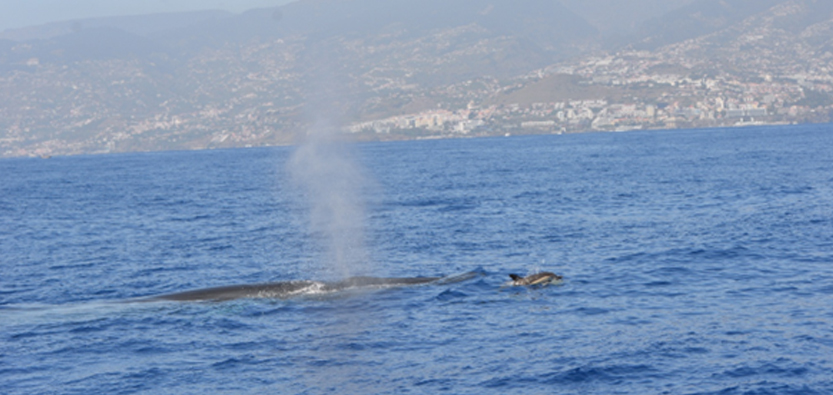
‘Marvel’ aims to monitor the cetacean population (audio)
In January, a new project will begin to assess the status of cetacean populations in Madeira’s waters. The objectives of the project are described by Luís Freitas, biologist and researcher at the Whale Museum.
HOME
PROJECT SUMMARY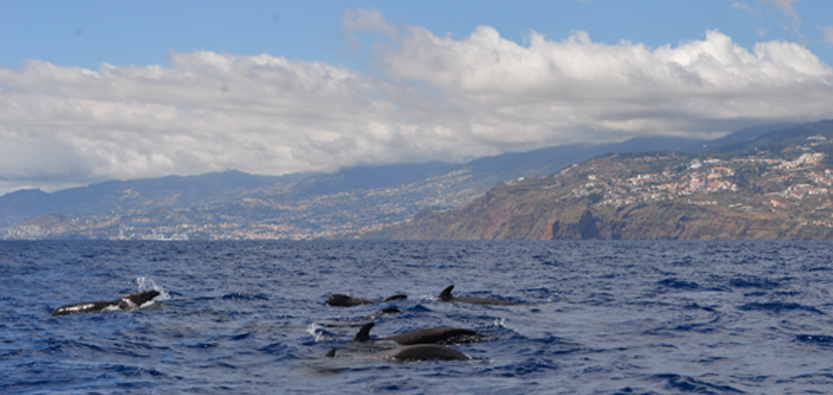
The MARVEL project is an initiative dedicated to the protection of Madeira’s marine vertebrates – including cetaceans, sea turtles, seabirds, and the Mediterranean monk seal. Drawing on scientific data and accumulated expertise, the project aims to update key information related to the Marine Strategy Framework Directive (MSFD), the Habitats Directive (HD), and the management of the Site of Community Importance (SCI) “Cetaceans of Madeira.”
Through statistical power analyses, MARVEL seeks to optimize monitoring efforts, ensuring the efficient use of resources to refine estimates and address data gaps, such as those concerning turtle entanglement in marine debris. To maximize the outcomes of field campaigns, biopsies will be collected from rare and endangered cetacean species to complement existing samples and support future genetic studies, which are crucial for conservation initiatives.
Human activities have a significant impact on local marine ecosystems. The MARVEL project assesses these effects by analyzing habitat use by target species alongside mapping human activities. This knowledge will be essential to support Marine Spatial Planning, ensuring its alignment with conservation objectives.
The project also places strong emphasis on communication and awareness-raising, engaging maritime-tourism operators and recreational boat owners on current regulations regarding marine vertebrate observation (MVO). In parallel, the Educational Unit of the Madeira Whale Museum (MWM) will be mobilized to engage younger generations in the conservation of marine biodiversity.
PROJECT FACT SHEET
CODE
6172
TITLE
Madeira: Advancing in Regular Vigilance of the Environment and Legislative compliance (MARVEL)
MAIN OBJECTIVE
To promote the conservation of marine biodiversity in Madeira through targeted monitoring actions, active stakeholder engagement, and knowledge-based management that ensures the sustainable development of ecosystem services.
TOTAL COST
€ 113 097.80
PARTNER COST
€ 113 097.80
ELIGIBLE COST
€ 99 786.19
PARTNERS
IFCN - Instituto Florestas e Conservação da Natureza, IP-RAM
CO-FINANCING
88% by the European Program LIFEBEST 2030

SPECIFIC OBJECTIVES AND JUSTIFICATION
Specific Objectives
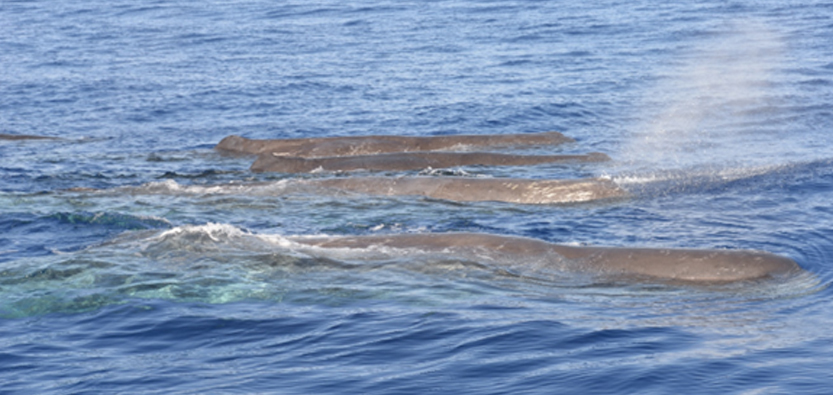
1 - Implementation of a long-term monitoring programme for marine vertebrates;
2 - Reduction of disturbances to marine vertebrates caused by human activities;
3 - Support for local authorities in enforcing marine vertebrate protection measures.
Rationale / Project Justification
Marine Protected Areas (MPAs) in Madeira were established primarily to safeguard coastal habitats and species of conservation concern under the Habitats and Birds Directives. These areas support diverse communities, including fish species, the Mediterranean monk seal, the bottlenose dolphin, sea turtles, and several locally breeding seabird species. The offshore MPAs, in turn, focus on the protection of highly mobile pelagic species such as cetaceans, seabirds, and turtles.
The Site of Community Importance (SCI) “Cetáceos da Madeira,” which extends up to 12 nautical miles around the archipelago, represents a key instrument for the conservation of marine vertebrates. Nevertheless, its extensive coverage poses significant challenges for surveillance, management of human activities, and monitoring of species’ conservation status. Within this context, the MARVEL project aims to foster sustainable practices that reconcile marine biodiversity conservation with the socio-economic interests of local communities, in alignment with the objectives of the Global Biodiversity Framework.
The Habitats Directive, developed with the scientific understanding available at the time, does not fully address the conservation needs of Madeira’s marine fauna. Several species listed as priorities are either common or absent in the region, while cetaceans with restricted Macaronesian distributions and globally threatened species remain largely unconsidered. Similarly, no Key Biodiversity Areas have been defined for cetaceans or sea turtles, despite their ecological relevance. Threats such as longline fisheries and marine debris have been observed but remain insufficiently quantified.
The high mobility of cetaceans and the lack of sustained funding have hindered long-term monitoring and the estimation of population trends, while baseline data for sea turtles are still lacking. This highlights the urgent need to establish continuous monitoring programmes to assess demographic changes, conservation effectiveness, and emerging pressures such as offshore wind farms, marine traffic, and maritime wildlife watching.
Knowledge gaps persist for baleen and rare cetacean species in the North Atlantic; MARVEL will contribute by collecting biopsy samples to support population assessments. The regional maritime spatial plan (PSOEM) shows overlaps between planned activities and critical habitats, with varying potential impacts. MARVEL will therefore develop mitigation solutions to minimise pressures from marine traffic and wind energy development.
Particular attention will be given to noise impacts on deep-diving cetaceans, especially beaked whales, for which current mitigation techniques are often ineffective. MARVEL will promote evidence-based guidance to reduce these impacts during construction and operation.
Drawing from PANORAMA case studies, MARVEL aims to strengthen institutional capacity, foster community engagement, and promote responsible coexistence between human activities and marine biodiversity, ensuring the long-term sustainability of Madeira’s marine ecosystems and associated socioeconomic benefits.ACTIONS
A1.1.1: Development of an Effective Monitoring System
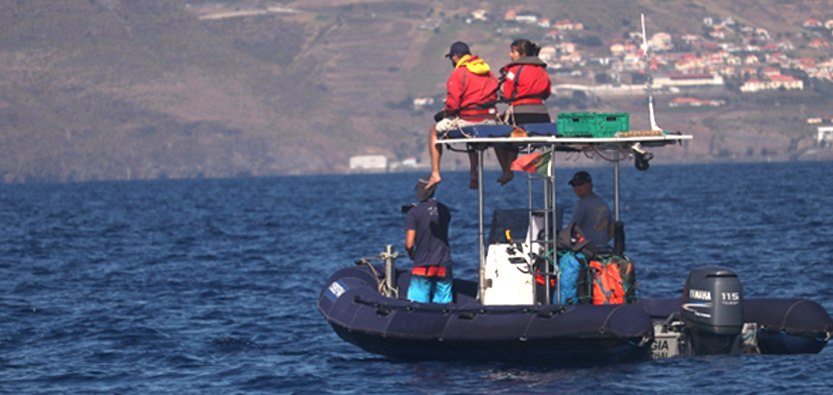
Building on lessons learned from previous photo-identification campaigns conducted by the Madeira Whale Museum (Cetáceos Madeira II, MSII), statistical power analyses will be applied to refine the monitoring effort required to effectively assess marine vertebrates during the MARVEL project.
A1.1.2: Implementation of Monitoring for Conservation Purposes
a. Population abundance will be estimated using MBM historical data, opportunistic records, and MARVEL photo-identification campaigns, applying the Robust Design (RD; Pollock, 1982) methodology.
b. Population demographic parameters, such as survival rates, will be derived from RD-based photo-identification data.
a. Mortality from accidental bycatch.
b. Body condition of entangled individuals.
a. Mortality from bycatch.
b. Population abundance estimates derived from historical data (Freitas, 2024).
a. Spatial distribution of cetaceans and turtles, modeled using spatial modeling techniques (Freitas, 2024) based on group locations and sizes in relation to spatial and environmental variables. A minimum number of sightings will be required for reliable models. Historical data will be used for rare species such as beaked whales and sperm whales.
A1.1.3: Collection of Samples from Protected and Threatened Species to Promote Their Conservation
The collection of biopsies from rare and endangered species will enable future genetic studies — a significant contribution given the limited knowledge on population structure in the oceanic waters of the Atlantic.
A2.1.1: Monitoring and Analysis of Human Activities
1 - Record the anthropogenic presence in the study area by quantifying vessels engaged in various activities, including fishing, trawling, recreation, military, cruise ships, ferries, sailing vessels, MVO, and other tourism boats.
2 - Identify risk areas for marine vertebrates based on local patterns of human activities.
3 - Identify critical resting and feeding areas for sensitive species.
A2.1.2: Strengthening the Effectiveness of the SCI “Cetaceans of Madeira”
1 - Develop and test solutions to enhance surveillance of MVO activities. The activity within the SCI is currently regulated by management zones, including an exclusion zone where active cetacean observation is not permitted. Within MARVEL, the following actions will be implemented:
2 - Analyze legal compliance to inform site managers. Data collected under MARVEL and previous MBM projects will be used to assess current compliance levels, their evolution over time, and differences between vessel types or areas of lower compliance.
3 - Estimate seabird disturbance caused by non-compliance and promote awareness among sea users regarding the importance of adhering to regulations.
3 - Develop and test an effective surveillance system for the exclusion area, in collaboration with IFCN. Both institutions will share expertise to strengthen the capacity of nature wardens responsible for enforcing MVO regulations.
4 - Propose and test measures to minimize the potential impact of maritime traffic within the SCI “Cetaceans of Madeira.”
5 - Propose mitigation measures to reduce potential impacts from emerging activities (e.g., offshore wind farms) on marine vertebrates.
A3.1.1: Engagement of Local Stakeholders
Foster collaboration and knowledge exchange among stakeholders representing legal, management, biological, and business perspectives:
1 - Propose improvements to current legislation governing commercial marine vertebrate observation, identifying implementation challenges.
2 - Conduct meetings with MVO operators to understand their perspective on law enforcement and address identified issues and gaps.
3- Organize workshops with managers, legal experts, and enforcement authorities using decision-support tools and frameworks.
4 - Carry out awareness-raising actions targeting licensed and unlicensed maritime-tourism operators and recreational boat owners regarding existing MVO legislation.
5 - Improve conservation and monitoring effectiveness through collaborative approaches. Meetings with IFCN and DRPM will be held to:
a. Present MARVEL results, including updated abundance estimates and demographic characteristics, for upcoming MSFD (DRPM) and HD (IFCN) reporting cycles.
b. Organize joint meetings/workshops among IFCN, DRPM, and MBM to explore synergies in developing a coordinated monitoring programme for the surveillance of the SCI “Cetaceans of Madeira” (HD) and the PTAMA-MO-D1-MM-ST under the MSFD.
c. Define an evidence-based approach to support administrative decision-making processes concerning the management, development, and implementation of ecosystem services.
A3.1.2: Communication and Dissemination
MARVEL’s communication strategy will target three main audiences: public administrations (regional and national), key stakeholders (MVW operators, and recreational and professional boating sectors), and the general public, including students and local communities. Communication methods and channels will be tailored to each audience to ensure effective outreach and engagement.
1 - A dedicated MARVEL webpage will be launched within the Madeira Whale Museum (MBM) website, with contributions from IFCN.
2 - Project partners will use their social media platforms to share updates and maintain public engagement.
3 - Press releases will be issued to announce key milestones.
4 - Educational outreach will include an MBM-developed programme for at least 60 school classes of various age groups, and the potential integration of MARVEL’s outputs into the museum’s permanent exhibition. Project findings will also be presented at a minimum of two national or international conferences and disseminated through at least one draft scientific paper submitted to a peer-reviewed journal.
5 - A consistent visual identity will be developed for MARVEL.EXPECTED RESULTS
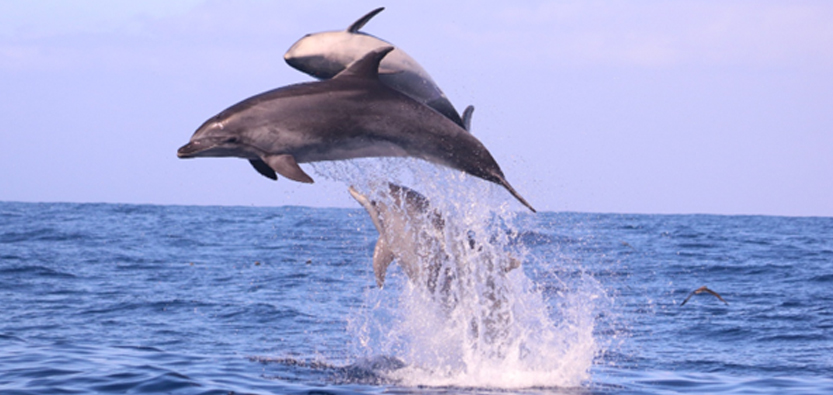
1 - Improved knowledge of the distribution, abundance, and demographic parameters of cetaceans and turtles.
2 - Sustainable development and operation of ecosystem services.
3 - More effective protection of marine vertebrates.
There is no form with this name or may be the form is unpublished, Please check the form and the url and the form management.
 |
 |
 |
 |
 |
© [DATE_YEAR] Museu da Baleia da Madeira - Madeira Whale Museum | Mapa do Site | Developed by Navega Bem - Web Design